
Join the Newsletter!

Monday, February 05, 2024
The Intricate Dance: Glucose, Insulin, and the Gut Microbiome
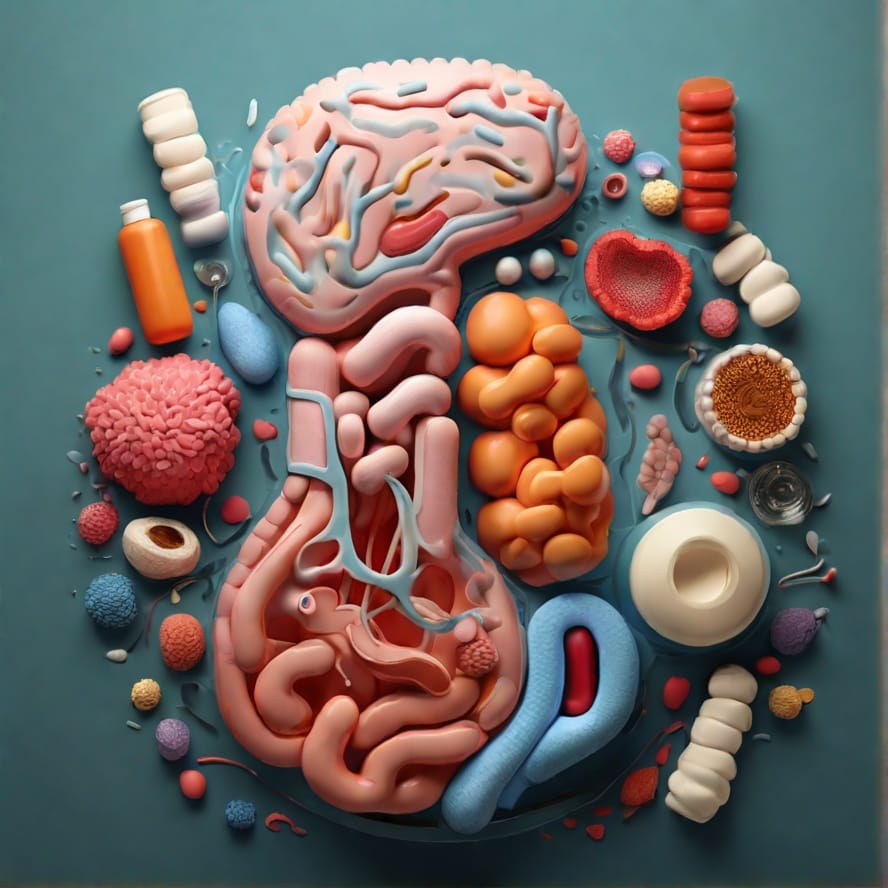
The Intricate Dance: Glucose, Insulin, and the Gut Microbiome
Glucose, insulin, and the gut microbiome are an intricate orchestra playing a vital role in human health. Understanding their complex interplay sheds light on various metabolic processes and diseases.
Glucose: The primary fuel source for our cells, glucose comes from carbohydrates in our diet. After digestion, it enters the bloodstream, raising blood sugar levels.
Insulin: A hormone secreted by the pancreas, insulin acts like a key, unlocking cells to absorb glucose from the bloodstream. This lowers blood sugar and fuels cellular processes.
Gut Microbiome: The trillions of microscopic residents in our gut play a crucial role in digestion, nutrient absorption, and immune function. They also impact how we process glucose and insulin.
Here's how they interact:
1. Gut Microbiome and Glucose Metabolism:
Short-Chain Fatty Acids (SCFAs): Gut bacteria ferment dietary fiber, producing SCFAs like butyrate. These SCFAs improve insulin sensitivity by influencing gut hormone secretion and reducing inflammation.
Lipopolysaccharide (LPS): Leaky gut, a condition where the gut barrier weakens, allows LPS, a bacterial component, to leak into the bloodstream. LPS can promote insulin resistance and inflammation.
Microbial metabolites: Certain gut bacteria produce metabolites that influence glucose absorption and signaling pathways, impacting overall glycemic control.
2. Gut Microbiome and Insulin:
GLP-1 and GIP: Gut bacteria stimulate the release of incretin hormones like GLP-1 and GIP. These hormones enhance insulin secretion and suppress glucagon (increases blood sugar) release, regulating blood sugar levels.
Inflammation: Chronic inflammation triggered by gut dysbiosis can interfere with insulin signaling, leading to insulin resistance and potentially type 2 diabetes.
3. Glucose, Insulin, and Gut Microbiome Composition:
Dietary choices: Sugary and processed foods can alter gut microbiome composition, promoting the growth of harmful bacteria and contributing to insulin resistance.
Prebiotics and probiotics: Prebiotics (fiber) feed beneficial gut bacteria, while probiotics introduce them directly. Both can improve gut health and potentially enhance insulin sensitivity.
4. Implications for health and disease:
Understanding this interplay has significant implications for various health conditions:
Type 2 Diabetes: Maintaining a healthy gut microbiome could be crucial in preventing and managing type 2 diabetes by improving insulin sensitivity.
Obesity: Gut dysbiosis may contribute to obesity by impacting nutrient absorption and energy metabolism.
Inflammation-related diseases: Chronic inflammation linked to gut dysbiosis can play a role in various inflammatory diseases.
The future of research:
Research continues to unravel the complex interactions between glucose, insulin, and the gut microbiome. Future advancements hold promise for:
Personalized dietary and probiotic interventions: Tailoring dietary and probiotic recommendations based on individual gut microbiome profiles.
Novel diagnostic tools: Developing markers to assess gut health and predict disease risk based on the gut microbiome.
Therapeutic strategies: Targeting the gut microbiome to improve insulin sensitivity and treat metabolic disorders.
By understanding this intricate dance, we can unlock new avenues for promoting health and preventing disease. This knowledge empowers individuals to make informed dietary choices and support their gut health for a healthier future.
Disclaimer: This information is for educational purposes only and should not be interpreted as medical advice. Always consult with a healthcare professional for personalized guidance.



PAGES
SOCIAL
© Modern-Ape.com 2025
All Rights Reserved
Terms of Use
Privacy Policy
© Modern-Ape.com 2025
All Rights Reserved
Terms of Use
Privacy Policy